


Treatments
Revision Hip Replacement
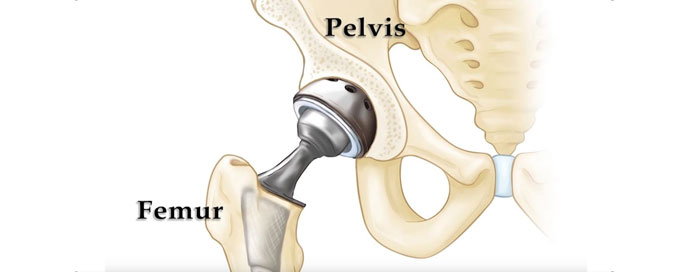
Revision Hip Replacement is a complex surgical procedure performed to replace or repair a previously implanted hip prosthesis that has failed or worn out over time. This surgery is typically needed when the original hip replacement results in pain, instability, loosening, infection, implant wear, or mechanical failure. Unlike primary hip replacement, revision surgery is more challenging because it often involves bone loss, scar tissue, and the need for specialized implants to restore hip function, stability, and alignment.
🧑⚕️ Who Needs Revision Hip Replacement?
- Patients with loosening or wear of the previous hip implant
- Individuals with persistent hip pain or reduced mobility after primary hip replacement
- Patients with prosthetic joint infection
- Those with implant dislocation, fractures around the implant, or instability
- Patients with bone loss requiring specialized implants or bone grafting
⚙️ Procedure Overview
- The old or damaged hip implant is carefully removed
- Bone defects are assessed, and bone grafting may be performed if necessary
- A new prosthetic implant is positioned to restore hip alignment and stability
- Soft tissues and muscles are repaired to ensure joint function and mobility
- Advanced surgical techniques, including modular or customized implants, are often used for complex cases
🌟 Benefits of Revision Hip Replacement
- Relief from chronic hip pain and discomfort
- Restoration of hip stability and improved walking ability
- Correction of deformities or leg length discrepancies
- Replacement of worn or loose prosthetic components
- Prevention of further joint damage or bone loss
- Enhanced quality of life and ability to perform daily activities
- Long-term function with proper post-operative care
- Reduced risk of recurrent dislocation or implant failure with modern surgical techniques