


Treatments
Shoulder Replacement
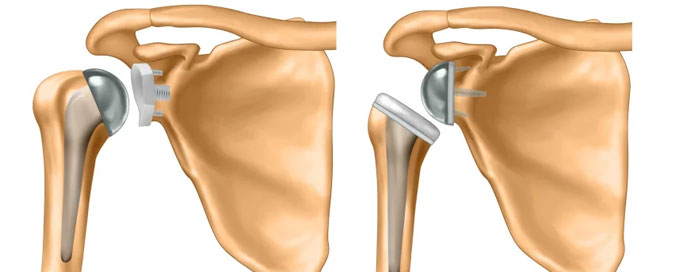
Shoulder Replacement, also known as Shoulder Arthroplasty, is a surgical procedure in which a damaged shoulder joint is replaced with an artificial implant. It is commonly recommended for patients with severe arthritis, rotator cuff tear arthropathy, fractures, or other degenerative shoulder conditions that cause chronic pain, stiffness, and limited mobility. The procedure aims to relieve pain, restore shoulder function, and improve quality of life.
🧑⚕️ Who Can Benefit from Shoulder Replacement?
- Patients with severe osteoarthritis or rheumatoid arthritis of the shoulder
- Individuals with rotator cuff tear arthropathy
- Patients with fractures of the shoulder joint not amenable to repair
- People experiencing persistent pain and limited mobility despite conservative treatments
- Patients seeking long-term improvement in shoulder function
⚙️ Procedure Overview
- The damaged portions of the shoulder joint (humeral head and/or glenoid) are removed
- A prosthetic implant (metal, plastic, or combination) is positioned to replicate normal joint anatomy
- Depending on the patient, options include total shoulder replacement, reverse shoulder replacement, or partial replacement
- Surgery may be performed under general anesthesia and usually takes 1–2 hours
🌟 Benefits of Shoulder Replacement
- Significant relief from chronic shoulder pain
- Improved range of motion and joint function
- Restoration of shoulder stability and strength
- Enhanced ability to perform daily activities
- Long-lasting results with modern implants
- Correction of deformities or joint damage
- Reduced risk of further joint degeneration
- High patient satisfaction and improved quality of life
🏋️ Recovery and Rehabilitation
- Early gentle movement exercises are initiated under physiotherapy guidance
- Gradual strengthening and functional exercises help restore mobility
- Most patients regain daily activity function within a few weeks to months
- Continued rehabilitation is essential for long-term joint function and implant longevity