


Treatments
Shoulder Arthroscopy
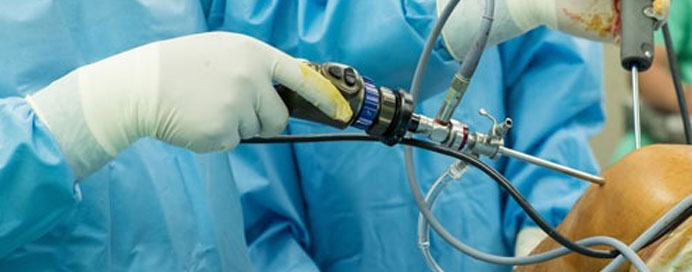
Shoulder Arthroscopy is a minimally invasive surgical procedure used to diagnose and treat problems inside the shoulder joint. A small camera called an arthroscope is inserted through tiny incisions, allowing the surgeon to view and repair damaged tissues such as rotator cuff tears, labral injuries, or cartilage damage. This approach reduces tissue trauma, minimizes scarring, and promotes faster recovery compared to traditional open surgery.
🧑⚕️ Who Can Benefit from Shoulder Arthroscopy?
- Patients with rotator cuff tears
- Individuals with labral injuries or shoulder instability
- People with cartilage damage or loose bodies in the joint
- Patients with shoulder impingement or persistent pain
- Individuals seeking minimally invasive treatment for shoulder problems
⚙️ Procedure Overview
- Small incisions are made around the shoulder joint
- An arthroscope (camera) is inserted to visualize the joint interior
- Specialized instruments repair torn tendons, ligaments, or cartilage
- Surgery usually takes 1–2 hours depending on the condition
- Local, regional, or general anesthesia is used based on the case
🌟 Benefits of Shoulder Arthroscopy
- Minimally invasive surgery with small incisions
- Reduced post-operative pain and swelling
- Faster recovery compared to open shoulder surgery
- Early return to daily activities and sports
- Precise treatment of rotator cuff, labrum, and cartilage injuries
- Minimal scarring and lower risk of infection
- Can be used for both diagnosis and treatment
- Helps prevent further joint damage when performed timely